TalkLeadership in a world of AI
If machines have the answers, what are leaders for?
AI is reshaping jobs faster than most organisations can talk about it. Yet the hard part of leadership was never finding answers. I look at the human work that remains, and why it matters more, not less.
- Duration90 minutes, including questions
- Who it is forLeaders and management teams
HR and digital transformation
Organisations rolling out AI - FormatIn person at your venue or online. Also available as a workshop
What AI cannot take over
When artificial intelligence takes over parts of the work, it touches more than workflows. It touches identity: who am I when what I was good at can be done by a machine? Such questions are rarely spoken aloud, but they show up as silence, control or exaggerated enthusiasm. Economists have described AI as cheap prediction, which makes human judgement more valuable, not less. At the same time, people need trust and psychological safety before they dare say they are unsure. The leader's task is to turn what goes unsaid into something people can talk about.
What the 90 minutes cover
- Anxiety and identity: what happens to people when their professional expertise is challenged?
- Prediction versus judgement: what machines do cheaply, and what still falls to leaders
- Trust in three parts: ability, benevolence and integrity, when decisions are shared with machines
- Signs that a group is avoiding the conversation about AI, and how to open it
- A dialogue exercise where participants clarify which tasks they want to keep, and why
The more machines can do, the more it comes down to what we actually want.
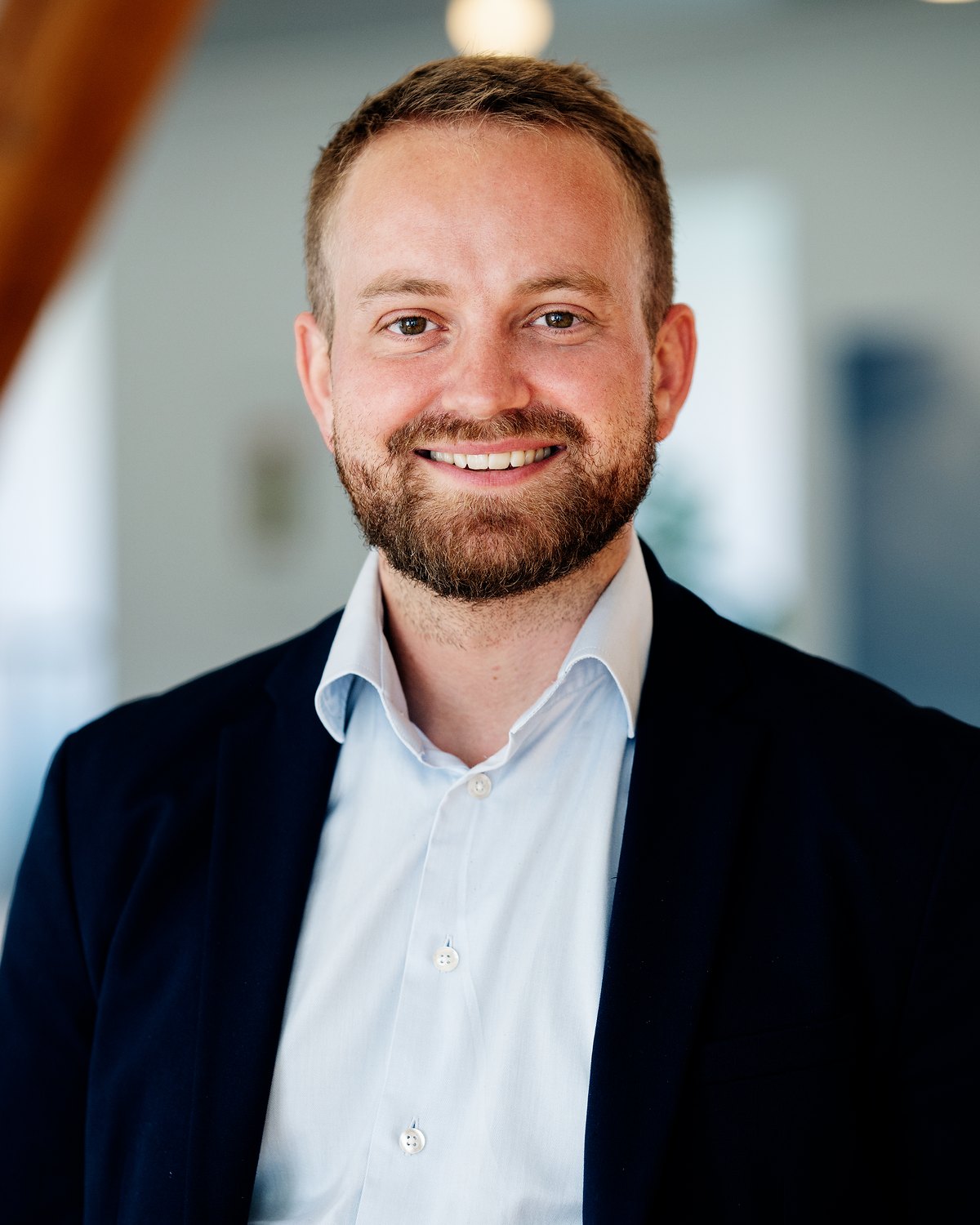
Planning a staff day or a leadership meeting?
Email or call me, and we will find a date. Tell me who will be in the room and what you hope they leave with. I always tailor the examples to your organisation.
- Email: Ragr@as3.dk
- Phone: 41 18 46 73
Key sources
- Agrawal, A., Gans, J., & Goldfarb, A. (2018). Prediction Machines: The Simple Economics of Artificial Intelligence. Harvard Business Review Press.
- Mayer, R. C., Davis, J. H., & Schoorman, F. D. (1995). An integrative model of organizational trust. Academy of Management Review, 20(3), 709-734.
- Edmondson, A. C. (2019). The Fearless Organization. Wiley.